For Years My Knees Ground on Every Step — and the Pill That Helped Was Burning My Stomach Open. Then I Found What Calms the Fire Without It.
By week two the mornings loosened; by week five I stood through dinner without sitting once. Here's what Tylenol, cortisone, and a string of shrugs all missed about why the joint would not quiet down.

If your mornings bend around joints that will not unlock and a cabinet with nothing safe to reach for, you are not imagining it. I was you: planning days around the stiffness, half-sure this was simply who I was now. Then I found the one thing that let my knees quiet down.
My name is Beverly Russo. Sixty-three. Retired school librarian. Wife to Frank. Mother of two. Grandmother of four. Scranton, Pennsylvania.
6:18 AM: The Cabinet Became The Enemy And I Pretended It Was Just Stiffness
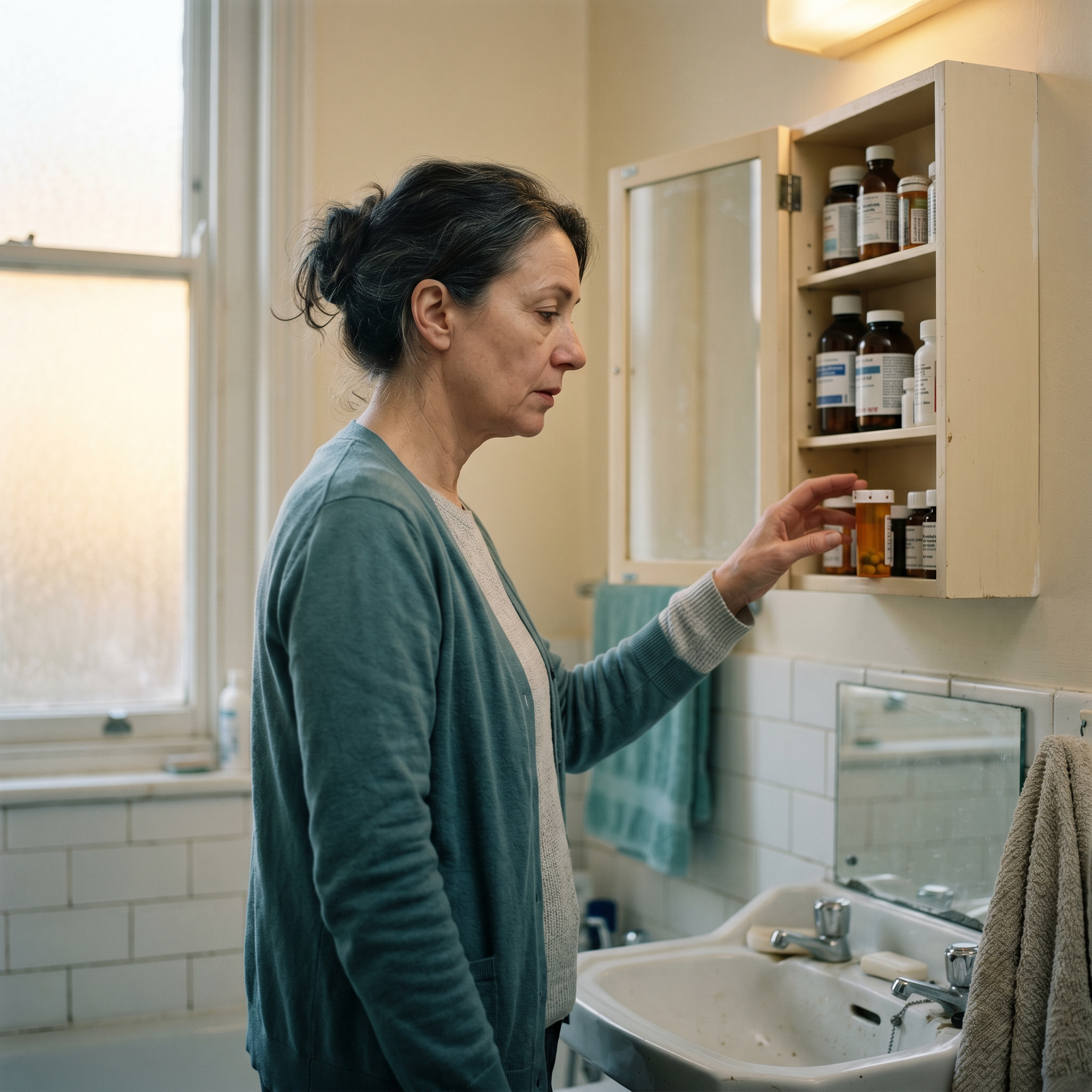
It started as a small private delay. I would stand at the bathroom sink, open the medicine cabinet, and stare at the same bottle I had relied on for years.
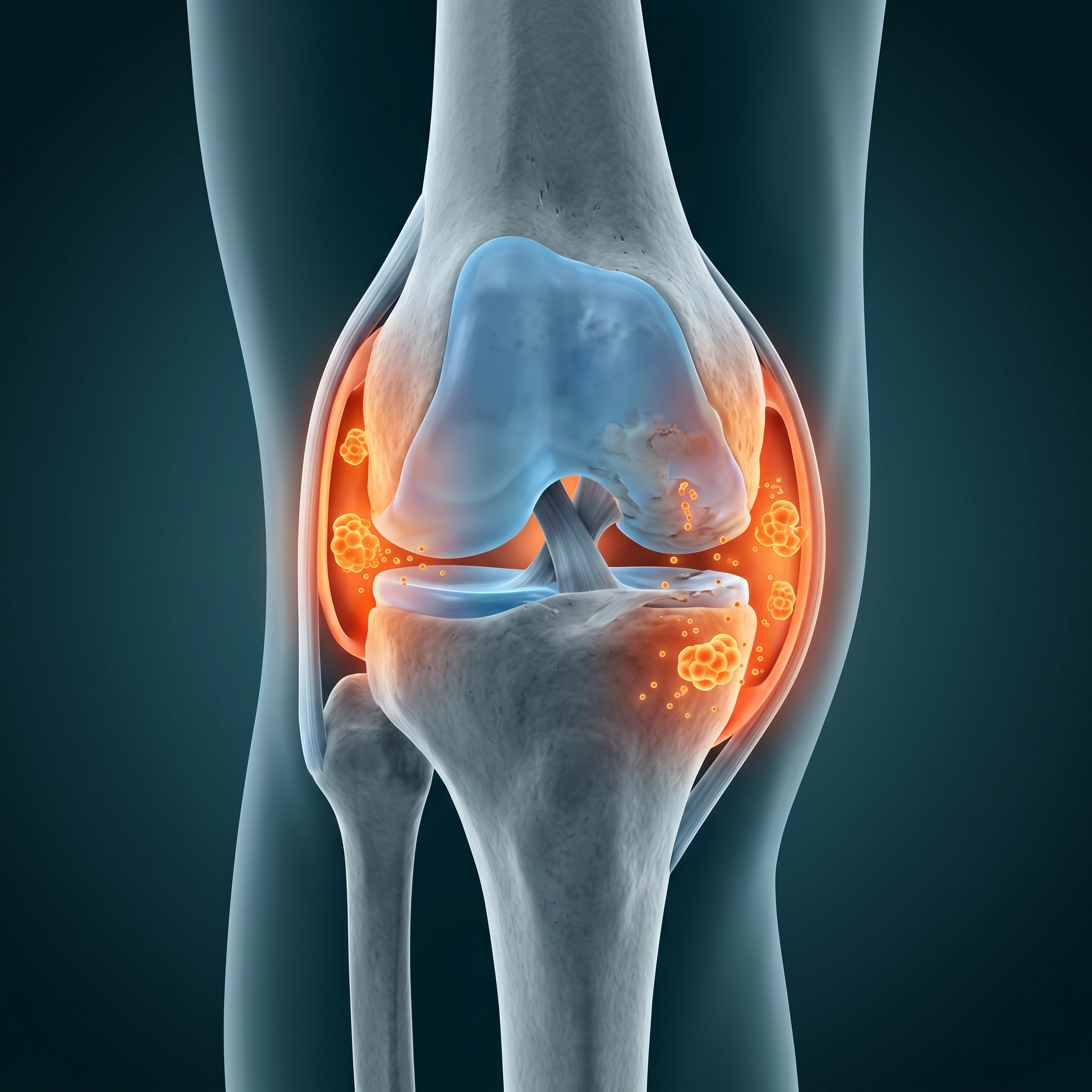
My knees felt like rusted hinges before coffee. My hips took the first hallway slowly. The stairs sounded normal from the outside, but each step made the joint grind in a way I could feel in my teeth.
The problem was not that I did not know what used to help. The problem was that I had been told not to keep taking it.
After the stomach bleed, the nurse said it simply: no more daily NSAIDs. Not “be careful.” Not “take them with food.” No more. The one pill everyone suggested was now the one thing I was afraid to reach for.
Three or more of these describe your day?
- Your knees, hips, or lower back grind before the morning has started
- You used to lean on ibuprofen, naproxen, or another anti-inflammatory, but your stomach, kidneys, doctor, or fear made that option feel unsafe
- Tylenol takes the edge off your patience, not the stiffness
- Standing from a chair takes both hands and a quiet countdown
- Stairs feel like a negotiation, especially before noon
- You avoid telling family the real reason you move slowly
- Shots, creams, braces, and “just age” explanations have not changed the daily pattern
- You are scared the next step is another injection, surgery conversation, or a life built around avoiding movement
Three or more? Then this article is for you. Especially if the usual anti-inflammatory route is no longer a route you can trust.
Seven Minutes With The Doctor. “Use Tylenol.” “Try Cortisone.” Then The Same Stairs.
I brought a list because I was afraid I would sound dramatic. Knees grind in the morning. Hips lock after sitting. Stairs hurt. Cannot take daily NSAIDs after stomach bleed.
Dr. Keller looked at the chart, touched both knees, and nodded like the answer had already been filed before I walked in.
“Arthritis is common at your age. Use Tylenol. We can talk about cortisone if it gets worse.”
He did not say COX pathway. He did not say PPAR-alpha. He did not say there are inflammatory signals around the joint that the standard pain-pill conversation does not explain.
He treated the problem like a worn part and a forbidden pill. I needed someone to explain why the joint stayed loud when the pill was off the table.
Seven minutes in an exam room. Three years rearranging my life around stairs, chairs, and a bottle I was not supposed to open.
Eleven Things I Tried Before PEA — And What They Cost Me
I am going to lay this out plainly, because I want you to see the trap I was in. Maybe you are in the same one right now.
Eleven things. Three years. Roughly $1,180 out of pocket before I counted the co-pays, the missed dinners, and the little purchases that were really apologies to my own body.
The worst part was not that each thing failed.
The worst part was that every failure trained me to expect less from myself.
The forums were full of people like me. Some sounded like me word-for-word:
“I can’t take NSAIDs anymore and Tylenol does almost nothing for my knees.”
Some had stomach warnings that changed the whole pain conversation:
“Ibuprofen worked until it wrecked my stomach. Now every doctor says avoid it and offers shots.”
Some had imaging that explained the wear but not the daily fire:
“They tell me it’s mild arthritis, but mild does not feel like this when I stand up.”
One line ran through every thread:
“I want my life back, but I don’t want another pill that hurts something else.”
I was not describing a willpower problem. I was describing a joint-alarm problem nobody in my normal life could see.
The Thanksgiving Morning I Cooked Sitting Down
The morning it broke me was Thanksgiving.
My daughter had asked me to make the stuffing because “nobody does it like Mom.” That sentence should have made me happy for a week.
I lasted twenty-two minutes standing at the stove before my knees started grinding and my hips tightened like a belt pulled one hole too far.
I dragged a kitchen stool over with my foot. Frank saw it and pretended not to.
My daughter said, “Mom, sit. We can finish.”
I said I was fine and stirred from the stool like a woman twice my age.
Then I watched my granddaughter carry the serving bowl to the table because Grandma could not trust the walk across the kitchen with both hands full.
I had gotten so good at hiding the stiffness that my family thought I preferred staying useful from a chair.
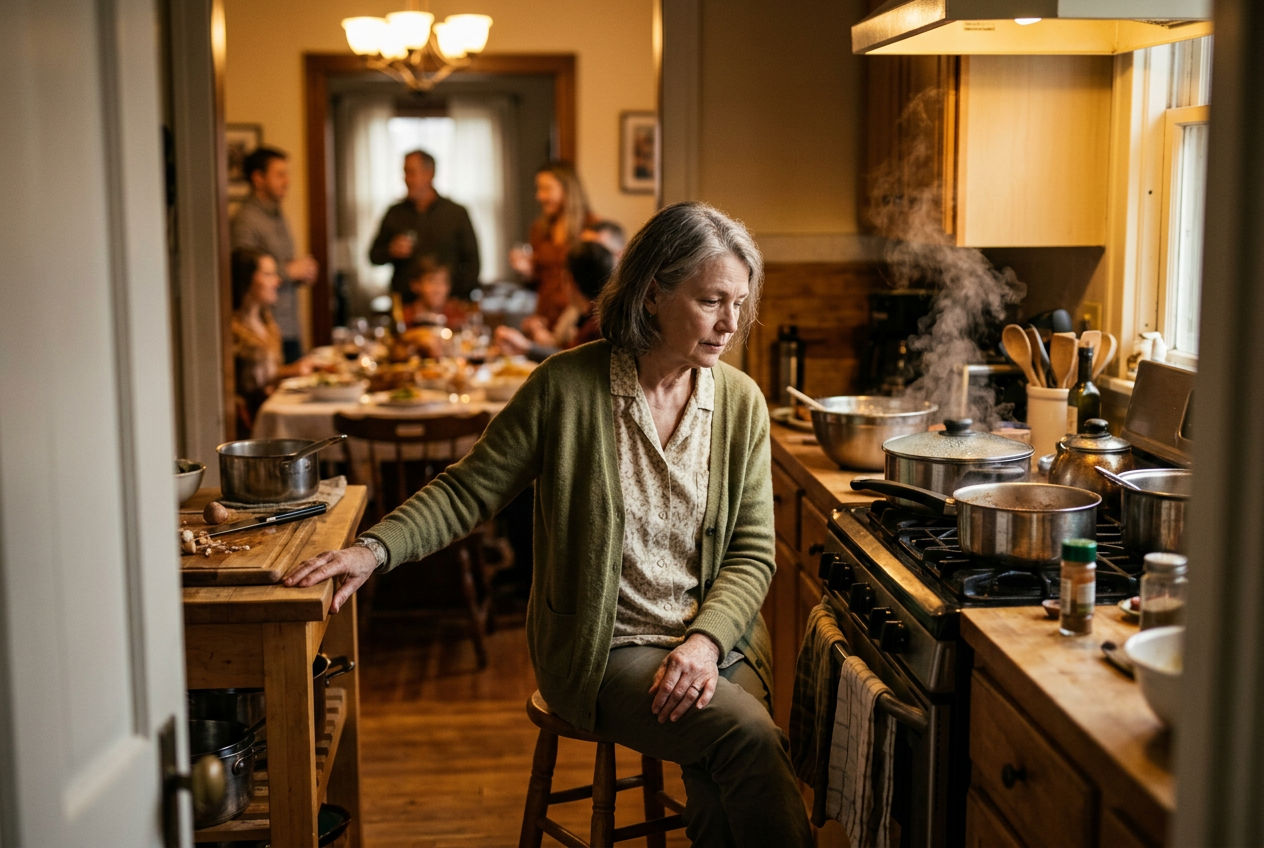
I went upstairs after dinner and cried where nobody could hear the sink running downstairs.
Not because of one holiday. Because I could see the next ten years shrinking into small substitutions.
First the stairs. Then the garden. Then the floor with the grandchildren. Then the trip to see my sister because the drive is “too much this year.”
At sixty-three, this is also how women I know become careful before they become old. A thousand little accommodations, each one sensible, until your life is mostly avoidance.
I was not going there. Not because the pill cabinet had run out of safe answers.
The Search That Named The Different Pathway
Two nights later I searched the phrase I was embarrassed to type: “joint pain when you cannot take NSAIDs anymore.”
Pages of people. Stomach warnings. Kidney warnings. Ulcer warnings. The same trapped feeling across different knees, different doctors, different kitchens.
That is when I kept seeing the same compound: palmitoylethanolamide, shortened to PEA.
It was not an NSAID. It was not a numbing cream. It was a fatty-acid amide your body already makes, discussed for its role in calming overactive inflammatory signaling through a different route — especially the PPAR-alpha pathway and mast-cell response.
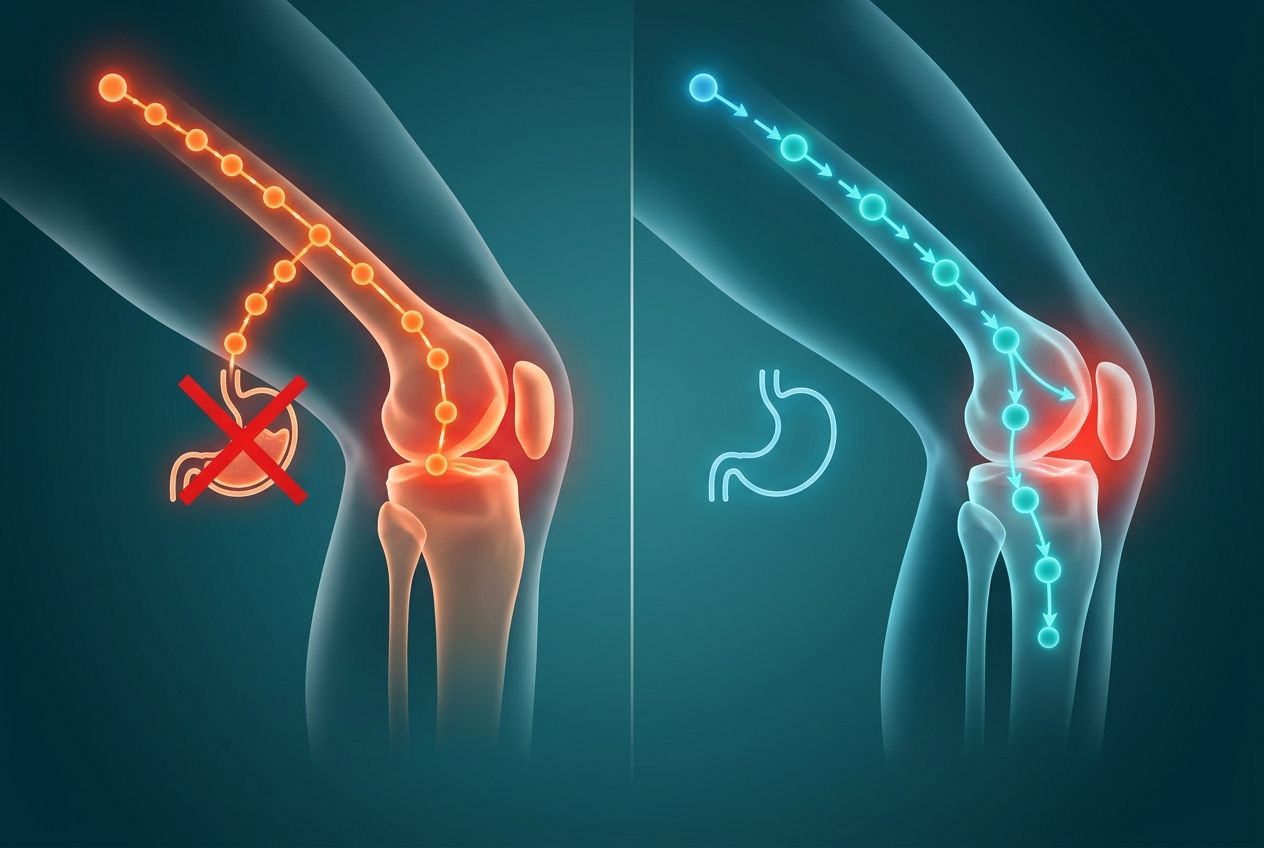
Switch 1
The usual route.
NSAIDs work through the COX pathway. For some people, that is exactly where the stomach or kidney concern begins.
Switch 2
The body-made signal.
PEA supports a different calming pathway tied to PPAR-alpha and the way inflammatory cells behave around irritated tissue.
Switch 3
The form trap.
Regular PEA is hard to absorb. Micronized PEA is milled small so the body has a better chance of using it.
Different switches. Same alarm.
Once I understood that, the story of my knees stopped sounding like a moral failure.
I had not failed to tough it out. I had been trying to solve a joint-alarm problem with the one route I was no longer supposed to use.
That is how I first understood PEA: not as a miracle, but as a body-native compound that supports calmer inflammatory signaling without leaning on the same NSAID route.
What The Research Actually Made Me Check
I did not need a fantasy promise. I needed enough evidence to stop wasting money on bottles that only looked scientific.
Why Nobody Named It In The Room Where I Was Paying To Be Helped
Your body makes PEA. No drug company can patent it the way it patents a new drug.
No sales rep walks into a seven-minute appointment with a tray of PEA samples and a lunch order. No insurance line item makes a doctor remember the word when a tired woman says she cannot keep taking ibuprofen.
The system is built to see what it can photograph, inject, prescribe, stretch, or bill.
A body-made compound is not the first thing anyone is paid to explain.
Nobody told me the joint could stay inflamed after the obvious answer became unsafe. That was the whole missing piece.
So I went looking for the right bottle myself. The form mattered. The dose mattered.
In ordinary form, PEA is hard for the body to absorb. The one I chose was micronized — particles milled small enough that the body has a real chance of using them. Most cheap PEA on the shelf is not micronized. The label will not always tell you.
And it was 600mg, the number that matched the product protocol I wanted to try.
Less than that, or the wrong form, and I would end up with one more bottle that looked right on the label and did nothing where it counted.
Stock check, this morning. This batch opened at over 5,200 bottles. As of the time I am writing this, 876 are left in the 4th of July run. Bottles have been moving faster than the mill is replacing them.
Week 2: The Morning Did Not Own Me
I found the one that matched every line of what I had read.
Micronized. 600mg. Made in the USA. Third-party tested. Sold direct.
It is called YouFirst PEA 600mg.

My label check was simple: micronized, because absorption was the category trap. 600mg, because that was the number tied to the product protocol. Third-party tested, with the seal on the bottle. Made in the USA in a GMP-certified facility. No proprietary blends — what is on the label is what is in the capsule. 90-day money-back guarantee — not thirty, not seven business days.
No miracle promise.
Just the right form, the right dose, and a reason to believe this was not another random bottle from a shelf.
I ordered one bottle and told nobody. Not my daughter. Not my sister. Not even Frank.
If it failed, I did not want an audience.
Nothing dramatic happened.
That mattered.
No wave of relief. No movie-scene moment. No sudden cure.
I still held the rail. I still took the first five steps slowly. I still did the little pause before sitting in the car.
I almost decided it was another failure.
Then I remembered what I had read. Joint alarms do not quiet on command.
The mornings loosened.
I did not notice it as relief. I noticed it as less planning.
Usually, I would stand by the bathroom sink and wait for the joints to decide whether the stairs were possible.
That week I walked down before I had counted the steps.
The stiffness was not gone. But it was quieter.
Quiet enough that the morning did not own me.
By week four, I stood at the stove long enough to finish dinner.
Not perfectly.
I leaned once. I sat once to peel potatoes. My knees still complained near the end.
But I did not drag the stool to the stove first. I did not make my daughter take over. I did not pretend I wanted to “supervise.”
Frank noticed before I did.
He said, “You’re still standing.”
That was the whole review.
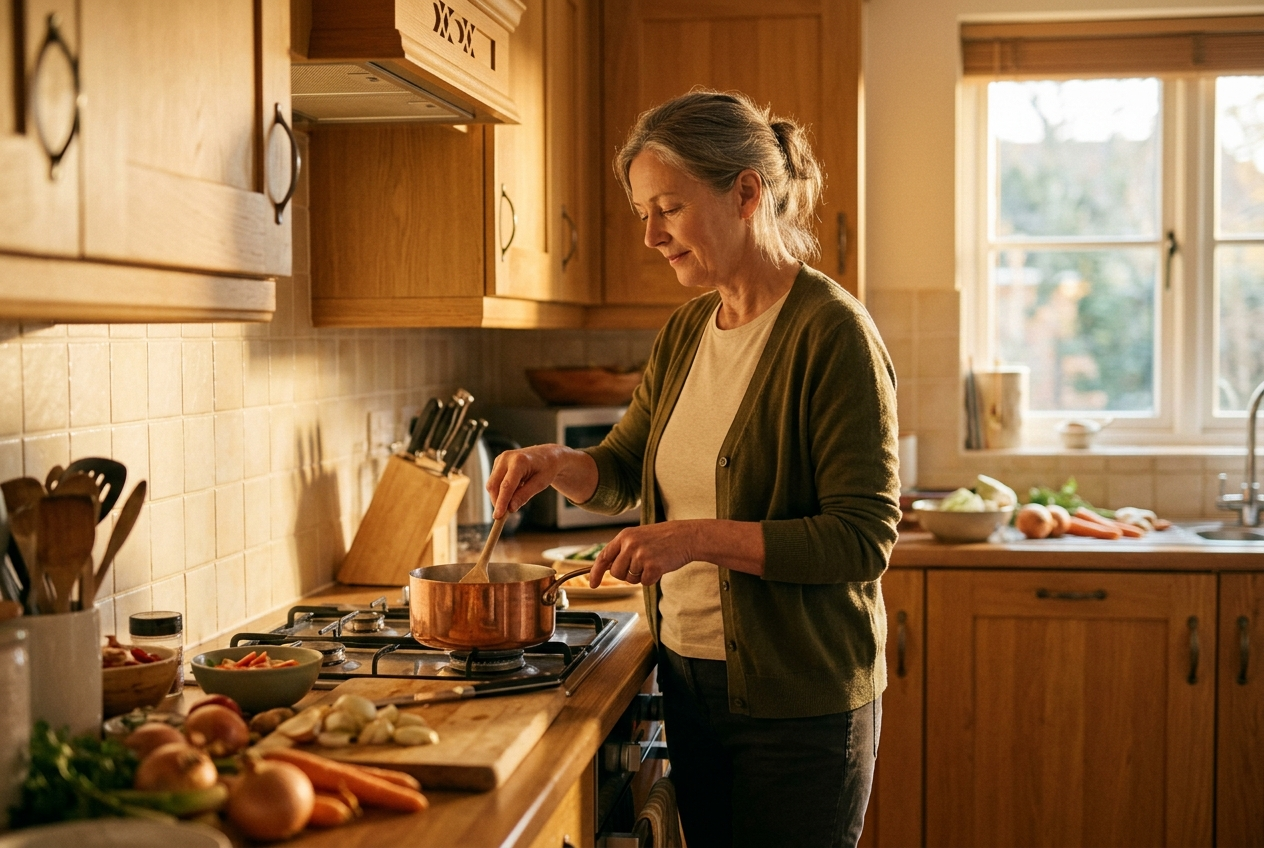
I stood through dinner without sitting once.
That sentence looks small if you have never lost it.
To me, it meant I could cook, plate, carry, talk, laugh, and clean one pan without my body becoming the center of the room.
Then I ran out.
Four days waiting for the next bottle.
By the third day without it, the old morning grind was back enough to scare me. Not as bad as before. Enough to make me set up the subscription that night.
The moment I knew was not dramatic.
I walked toward the stairs with a laundry basket and did not set it down first.
I used the railing as a railing, not as a rescue rope.

It has been three months. Most mornings the joints are quiet enough that I forget to negotiate with them. A hard day still complains, but a complaint is not a sentence.
My daughter forgot the stool-at-the-stove thing was a thing. My granddaughter asked me to sit next to her during dessert and did not make a production out of it. To them, this is just what Grandma is like. That is the real measurement.
The Three Letters Of Reader Mail That Made Me Decide To Write This
After my daughter shared my story to her church group, the emails started. Three of them sit in my inbox. They are the reason I wrote this article instead of letting it stay private.
From Linda K., 68, Cincinnati, Ohio. “I had a stomach ulcer and every doctor kept saying Tylenol. By week six on this bottle I walked the grocery store without leaning on the cart like a walker.”
From Patricia M., 67, Fort Wayne, Indiana. “I had been scheduling cortisone shots around birthdays and holidays. After my second bottle I pushed the next one out. I am not claiming a miracle. I am saying my knees stopped running the calendar.”
From Wayne H., 64, Spearfish, South Dakota. “Kidney numbers made my doctor cut off NSAIDs. I thought that meant the rest of my life was braces and waiting rooms. Three weeks in, my wife noticed I got up from the recliner without the sound effects.”
Three different bodies. Three different reasons the usual pill was off the table. One compound the body already makes.
The Independence Bundle I Found When I Went To Reorder — And Why It Is Only This Batch
I went back to reorder one bottle. The page showed the 4th of July Independence Bundle: Buy 2 Get 1 FREE.
I almost skipped it because I am the kind of woman who reads the unit price twice and still feels suspicious of anything that says “free.”
Then I looked at the bottle beside my coffee maker and did the math like a person who had finally learned the cost of running out.
If one bottle gave me the morning back, the spare was not a bonus. It was insurance against starting over.
Current 4th of July offer: Independence Bundle — Buy 2 Get 1 FREE.
The company says this batch opened at 5,200 bottles. As of this morning, 876 bottles remain. The next micronized milling run is not instant; it has to be milled, tested, bottled, and cleared.
Your two bottles are the routine. The free bottle is the part that keeps you from treating progress like a temporary rental.
Your two bottles get your own chair back. The free one keeps the cabinet from becoming the enemy again.
What doing nothing kept costing me:
- Mornings spent waiting for my knees to unlock
- Stairs I avoided until someone else went first
- Dinners I “supervised” instead of cooked
- Family photos where I stood in the back because sitting meant getting up again
- Co-pays for five-minute appointments that ended with the same shrug
- Injections I was told to consider but never wanted to depend on
- A medicine cabinet full of things I could not safely use daily
- The quiet fear that this was simply what sixty-three felt like now
I am not twenty-eight. I am not trying to hike a mountain or prove anything to a gym mirror.
I wanted the stairs, the stove, the grocery aisle, the chair beside my granddaughter, and the right to move through my own house without planning the route.
That is why I am blunt about this.
If daily NSAIDs are no longer something your body can safely tolerate, waiting does not make the problem cheaper. It only makes your world smaller while you pay for more ways to cope.
Every day this batch lasts, someone like me gets to choose a different experiment.
When it is gone, the next run is not just sitting on a shelf waiting for you.
What Joint Pain Really Costs When The Usual Pill Is Off The Table
I used to compare supplement prices against other supplement prices. That was the wrong math.
Over three years, the medical system can turn “normal joint wear” into a five-figure management plan.
No more — the part you stop noticing first.
No more opening the cabinet and staring at the bottle you were told to stop taking.
No more telling family you prefer standing when standing is the only safe option.
No more building the morning around the first staircase.
No more treating cortisone like a calendar event.
No more pretending the kitchen stool is there because you like company while you cook.
No more confusing “not cured” with “nothing can improve.”
Money-Back
Guarantee
This is the one I take every morning now. Go see if it is still in stock where you are.
Get the bottle Beverly takes →They give you 90 days. If it does nothing, you send it back and they refund you.
In eighteen months and 47,000 bottles shipped, the refund rate sits at 0.4 percent — roughly four people per thousand. Two could not swallow capsules. One returned an unopened bottle because his sister had already gifted him one. The rest were honest non-responders, refunded within 48 hours, no forms, no friction.
The Bottle Stayed Beside The Coffee Maker
After I set up the subscription, the bottle stopped feeling like a test.
It became something I checked off in the morning before I opened the blinds.
That mattered to me more than a dramatic promise.
A bottle I could keep taking was easier to believe than a miracle I did not trust.


P.S.
Last week my granddaughter asked why I sat next to her during dessert instead of standing at the counter.
I told her Grandma's knees used to be loud and now they are quieter.
She said okay and handed me the smaller fork because she wanted me to try her cake first.
That is the part I will never get to explain to the doctor who told me it was just age.
PPS. If you are the “no more daily NSAIDs” reader, this is the message I would have wanted after the stomach bleed: avoiding the pill that hurt you does not mean you are out of options. It means the old route is off the table and a different support pathway deserves a real look.
PPPS. If you are the “shots are next” reader, I am not telling you to ignore your doctor. I am telling you that I wish someone had explained micronized PEA before the conversation turned into a waiting room calendar.
PPPPS. The form to look for is micronized, and the dose on this bottle is 600mg. The current batch showed 876 bottles left when I last checked. Sold direct at the official YouFirst site — not Amazon — and the next milling run is six to eight weeks out.
Comments
Carol Reeves · Verified buyer · 39 min ago
Bottle 1 arrived Thursday. By the second Sunday I realized I had made coffee before thinking about my knees. Ordered the bundle that night.
Tom Hartman · Verified buyer · 1 hr ago
Doctor cut me off ibuprofen after kidney numbers. Three weeks on this and I'm back in the garden. My wife noticed before I did.
Margaret K. · Verified buyer · 2 hr ago
Bought one for my mother for Mother's Day. She called me crying after week four. Good crying. She walked me through her empty pill drawer over FaceTime.
Frank Delvecchio · Verified buyer · 3 hr ago
Pittsburgh. Two knee scans. Six months of PT. One cortisone shot. Nothing lasted. Week five on this and I stood through Mass coffee hour for the first time since November.
Joanne B. · Verified buyer · 5 hr ago
I returned the last three joint-support bottles I tried. I kept this one. That should tell you enough.
Ed Halloran · Verified buyer · 7 hr ago
Skeptical. Cheap. Stubborn. Bought it for my wife first. Now I take it too.